
As an Amazon Associate, I earn commission on qualifying purchases.
Grocery prices keep climbing, and for many families, the same budget doesn’t stretch nearly as far as it did just a few years ago. Inflation has made everyday essentials more expensive—but that doesn’t mean you’re out of options.
With a few intentional strategies, you can increase your purchasing power, reduce waste, and keep your grocery budget under control. These simple tips are realistic, family-friendly, and actually work.
1. Meal Plan to Avoid Overspending
Meal planning helps you buy only what you need and prevents last-minute impulse purchases. When you know exactly what meals you’re making for the week, you avoid overbuying and reduce food waste.
This Weekly Magnetic Meal Planning Notepad will help keep your family organized and in-the-know about what meals are planned for the week as well as what needs added to the grocery list!
2. Shop Sales the Smart Way
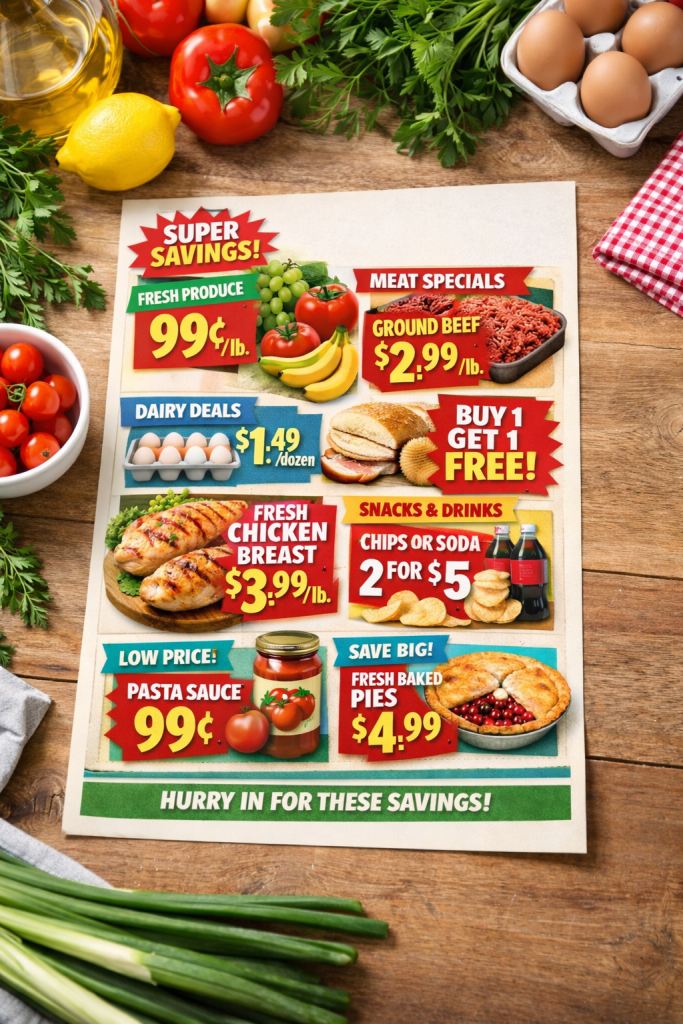
Check weekly sales before shopping and plan meals around discounted items. Just make sure you’re not buying something only because it’s on sale. The biggest savings come from purchasing items you already planned to buy—at a lower price.
3. Use What You Already Have
Before heading to the store, do a quick inventory of your pantry, fridge, and freezer. You can often build meals around ingredients you already own and only purchase what’s missing. This one habit alone can save a surprising amount each month.
4. Buy Generic or Store Brands
Generic and store-brand items typically cost up to 40% less than name brands and often taste just as good. Swapping even a few items can add up to major savings over time.
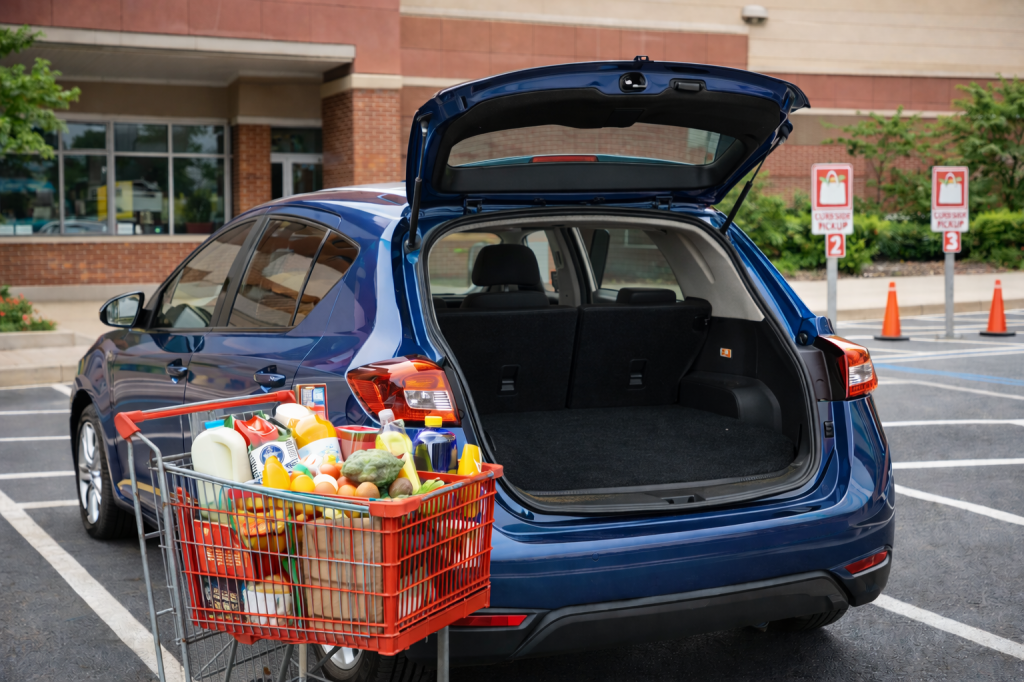
5. Use Grocery Pickup to Control Your Budget
Grocery pickup services help eliminate impulse buys. You can see your total in real time, make changes before checkout, and stick to your budget more easily—all without stepping foot in the store.
6. Use Cash-Back Apps and Coupons Strategically
Cash-back apps and digital coupons can help you earn money back on groceries you’re already buying. The key is intention—only use them for planned purchases.
Helpful tools include:
- Flipp for scanning weekly ads and clipping digital coupons
- Ibotta to earn cash back by scanning receipts or linking loyalty accounts
- Rakuten for cash back on online grocery and household purchases
Check out my previous blog post on Top Cash Back Apps and How They Work at the link below!
https://share.google/WLZElhzcTvQcbOrxl
7. Buy in Bulk When It Makes Sense
Buying in bulk lowers the cost per item and helps make grocery spending more predictable. Focus on pantry staples and household essentials you know your family uses regularly.
Final Thoughts
Saving money on groceries isn’t about extreme couponing or cutting out foods you love. It’s about being intentional, planning ahead, and using the right tools to your advantage. Small changes can lead to big savings—especially over time.
Download a FREE printable Grocery Savings Tracker here👇







 The Thrifty Thriver
Leave a comment