
As an Amazon Associate, I earn commission on qualifying purchases.
Saving money is one of the most important habits you can develop, but where you keep your savings matters just as much as how much you save. Many people still store their cash in traditional savings accounts that pay very little interest. As a result, their money grows slowly, often failing to keep pace with inflation.
That’s where high-yield savings accounts come in.
These accounts offer significantly higher interest rates than traditional savings accounts, allowing your money to earn more while remaining relatively safe and accessible. Whether you’re building an emergency fund, saving for a vacation, or planning a major purchase, a high-yield savings account can be a powerful financial tool.
In this guide, we’ll explain everything beginners need to know about high-yield savings accounts, including their benefits, risks, and how to choose the right account for your needs.
What Is a High-Yield Savings Account?
A high-yield savings account (HYSA) is a savings account that pays a higher Annual Percentage Yield (APY) than a standard savings account.
While traditional savings accounts may offer very low interest rates, many online banks and financial institutions offer much higher rates through high-yield savings accounts.
The main purpose of these accounts is simple:
• Keep your money safe
• Earn more interest
• Maintain access to your funds when needed
Unlike investments such as stocks or mutual funds, high-yield savings accounts do not expose your savings to market volatility.
How Does a High-Yield Savings Account Work?
A high-yield savings account works much like a regular savings account.
You deposit money into the account, and the bank pays interest on your balance. The key difference is the interest rate.
For example:
Account Type
APY
Traditional Savings Account
0.01% – 0.50%
High-Yield Savings Account
3.00% – 5.00%+ (varies by market conditions)
The bank calculates interest based on your balance and compounds it over time.
Example:
Suppose you deposit $10,000:
• Traditional account earning 0.10% APY = approximately $10 per year
• High-yield account earning 4.50% APY = approximately $450 per year
That’s a significant difference without taking on additional risk.
Why Are High-Yield Savings Accounts So Popular?
Over the past few years, online banks have become increasingly competitive.
Since many online institutions have lower operating costs than traditional banks, they can pass some of those savings on to customers through higher interest rates.
This has made high-yield savings accounts one of the most attractive options for people looking to earn more from their savings.

Benefits of High-Yield Savings Accounts
1. Higher Interest Earnings
The biggest advantage is obvious: your money grows faster.
Instead of earning only a few dollars annually, you could earn hundreds or even thousands depending on your balance.
2. Safety and Security
Most reputable high-yield savings accounts in the United States are protected by:
• FDIC insurance (banks)
• NCUA insurance (credit unions)
Coverage generally protects up to applicable limits per depositor, per institution, and per ownership category.
Learn more:
https://www.fdic.gov
3. Easy Access to Funds
Unlike certificates of deposit (CDs), your money isn’t locked away for a specific term.
You can generally:
• Transfer funds
• Make withdrawals
• Access money during emergencies
4. Ideal for Emergency Funds
Financial experts often recommend keeping 3–6 months of expenses in an emergency fund.
A high-yield savings account provides:
• Liquidity
• Security
• Interest earnings
Making it one of the best places to store emergency savings.
5. No Market Risk
Stock prices can rise and fall dramatically.
A high-yield savings account provides predictable growth without exposing your principal to market fluctuations.
Potential Drawbacks to Consider
While high-yield savings accounts offer many advantages, they aren’t perfect.
1. Variable Interest Rates
Most HYSAs have variable rates.
This means:
• Rates can increase
• Rates can decrease
Changes often depend on broader economic conditions and Federal Reserve policies.
2. Inflation Risk
Even if your account earns 4%, inflation could exceed that rate.
As a result, your purchasing power may not grow as quickly as you expect.
3. Withdrawal Limitations
While federal withdrawal restrictions have changed in recent years, some banks may still impose limits or fees on excessive transactions.
Always read the account terms carefully.
4. Lower Returns Than Investing
If your goal is long-term wealth building, investments may offer higher returns over decades.
However, investing involves greater risk.
Who Should Use a High-Yield Savings Account?
High-yield savings accounts are especially useful for:
Beginners
Perfect for learning basic money management while earning competitive interest.
Emergency Fund Builders
Keep emergency cash safe and accessible.
Short-Term Savers
Ideal for goals such as:
• Vacations
• Weddings
• Home repairs
• Down payments
• New vehicles
Conservative Savers
Those who prioritize safety over aggressive growth often find HYSAs attractive.

What Features Should You Look For?
Choosing the best account isn’t just about finding the highest interest rate.
Consider these factors:
APY (Annual Percentage Yield)
Compare rates across institutions.
A higher APY generally means more earnings.
Fees
Look for accounts with:
• No monthly maintenance fees
• No hidden charges
• No excessive transaction fees
Minimum Balance Requirements
Some accounts require:
• Minimum opening deposits
• Minimum balances to earn the advertised APY
Mobile Banking Experience
A good app can make managing your savings easier.
Check:
• User reviews
• Mobile features
• Transfer options
Customer Service
Strong customer support can save frustration if issues arise.
FDIC or NCUA Insurance
Never overlook deposit insurance protection.
Popular High-Yield Savings Account Providers
Examples of institutions frequently featured in savings account rankings include:
• Marcus by Goldman Sachs
• Ally Bank
• Discover Bank
• Capital One
• Synchrony Bank
• SoFi
• American Express National Bank
• CIT Bank
• Barclays
• LendingClub Bank
Important: Interest rates change regularly, so always verify current APYs directly on the provider’s website before opening an account.
For updated comparisons, visit:
https://www.forbes.com/advisor/banking/savings/best-high-yield-savings-accounts/
How to Open a High-Yield Savings Account
Opening an account is usually straightforward.
Step 1: Compare Options
Review:
• APYs
• Fees
• Minimum deposits
• Customer reviews
Step 2: Gather Documents
You’ll typically need:
• Government-issued ID
• Social Security Number
• Address information
• Bank account information for funding
Step 3: Complete the Application
Most online applications take less than 15 minutes.
Step 4: Fund Your Account
Transfer money from your checking account.
Step 5: Automate Savings
Set up recurring transfers to build your balance consistently.
Tips to Maximize Your Savings
Automate Deposits
Treat savings like a monthly bill.
Automatic transfers help maintain consistency.
Avoid Unnecessary Withdrawals
The longer your money remains in the account, the more compound interest can work in your favor.
Shop for Better Rates
Banks frequently adjust APYs.
Review your options periodically.
Keep Emergency Savings Separate
Using a dedicated HYSA can reduce the temptation to spend emergency funds.
Take Advantage of Compounding
Interest earns interest over time, helping your balance grow faster.
High-Yield Savings Accounts vs. Other Savings Options
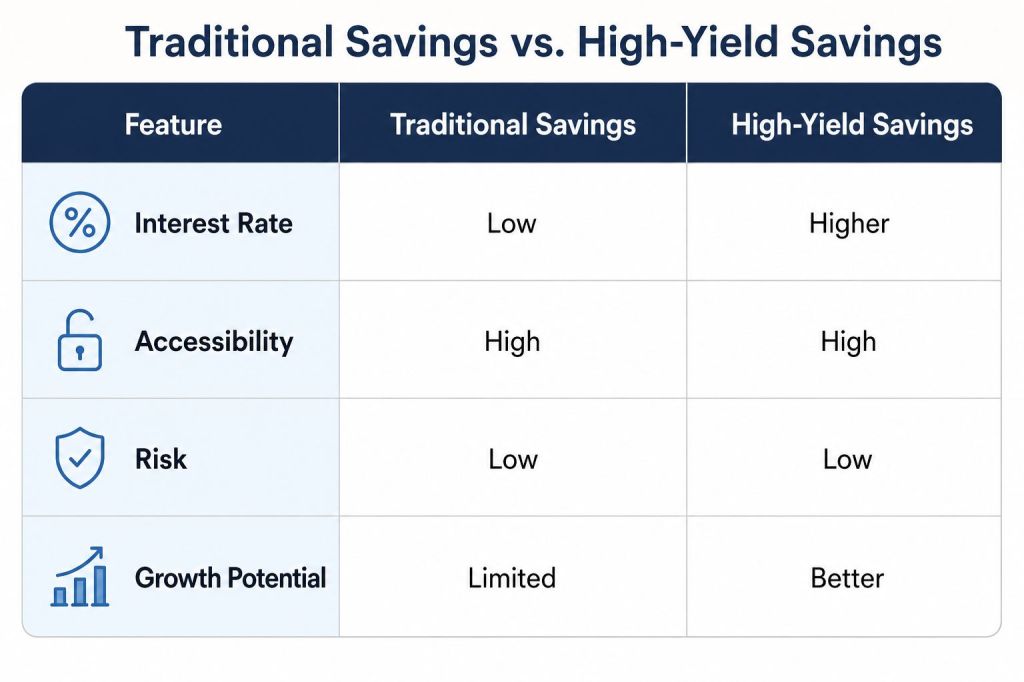
Traditional Savings Account vs. High-Yield Savings Account
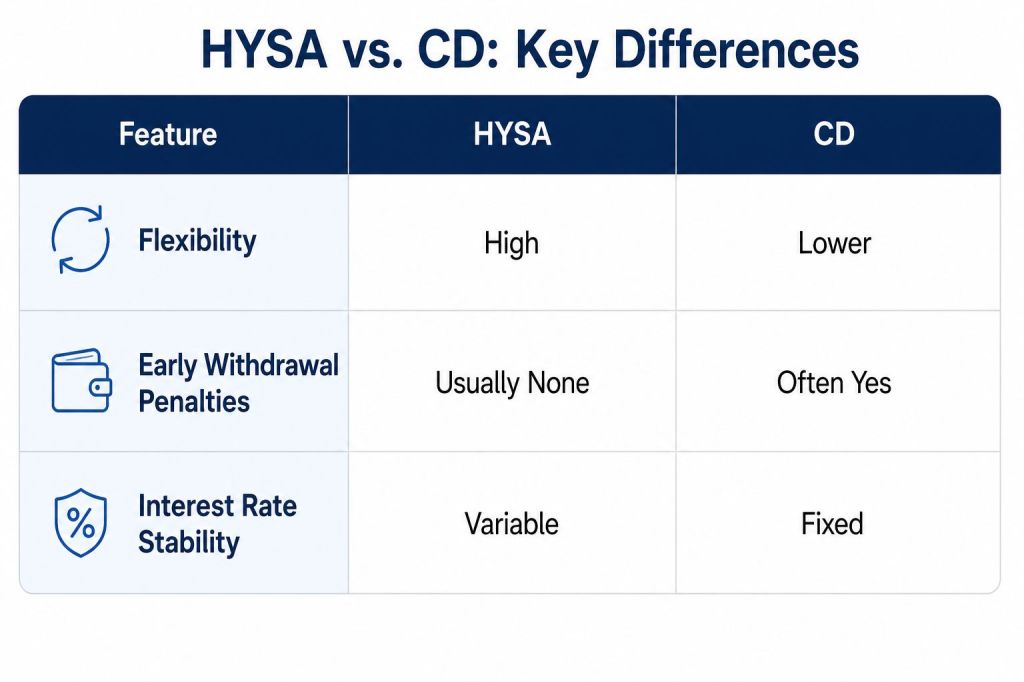
High-Yield Savings Account vs. CD
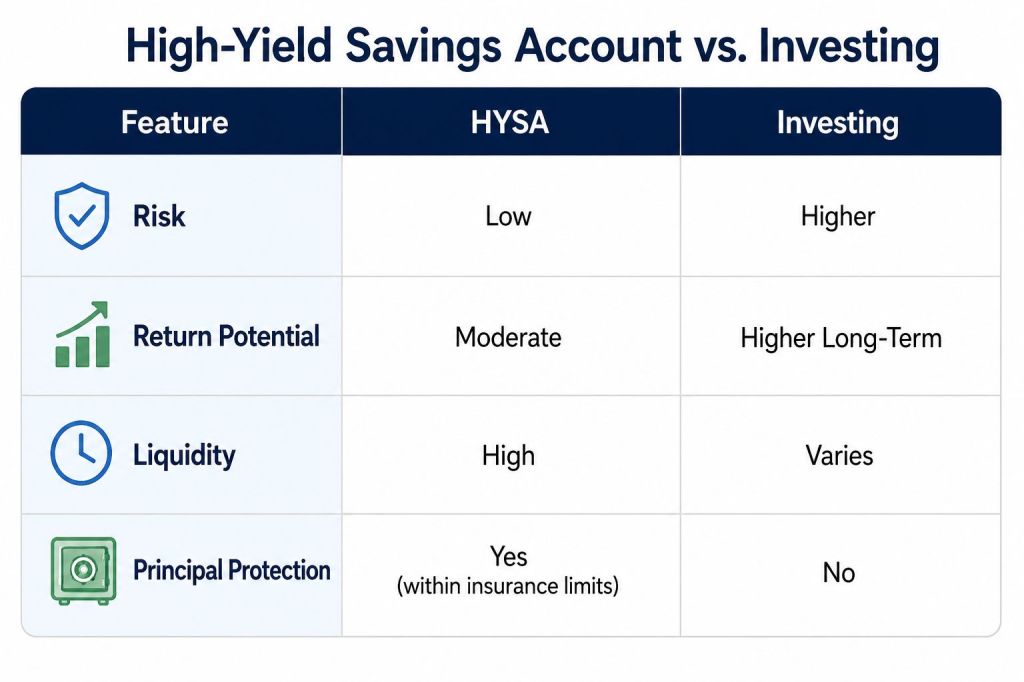
High-Yield Savings Account vs. Investing
Common Mistakes Beginners Make
Chasing Tiny Rate Differences
A slightly higher APY isn’t always worth sacrificing customer service or convenience.
Ignoring Fees
Even small fees can reduce earnings.
Leaving Too Much Cash Idle
Emergency funds belong in savings accounts, but long-term growth goals may benefit from investing.
Not Comparing Multiple Banks
Rates and features vary significantly.
Research before opening an account.
Frequently Asked Questions
Are high-yield savings accounts safe?
Yes. Accounts offered by FDIC-insured banks or NCUA-insured credit unions are generally considered very safe within applicable insurance limits.
Can I lose money in a high-yield savings account?
Under normal circumstances, your deposited funds are not subject to market losses like stocks or mutual funds.
How often do interest rates change?
Rates may change at any time depending on economic conditions and the institution’s policies.
Do I pay taxes on interest earned?
Yes. Interest earned is generally considered taxable income in the United States.
Consult a tax professional regarding your specific situation.
How much money should I keep in a high-yield savings account?
Many financial experts recommend keeping:
• Emergency funds
• Short-term savings goals
• Planned expenses
in a high-yield savings account.
Is an online bank better than a traditional bank?
Not necessarily. Online banks often offer higher APYs, but the best choice depends on your needs, preferences, and banking habits.
Final Thoughts
A high-yield savings account is one of the simplest and safest ways for beginners to earn more from their savings. It combines accessibility, security, and competitive interest rates, making it an excellent option for emergency funds and short-term financial goals.
While it won’t replace long-term investing for wealth creation, it can play an important role in a balanced financial strategy. By comparing rates, avoiding unnecessary fees, and automating your savings, you can make your money work harder while maintaining peace of mind.
If you’re just starting your financial journey, opening a high-yield savings account may be one of the smartest first steps you can take toward building a stronger financial future.
Looking for some practical insight on building a strong financial foundation and budgeting your money? I highly recommend reading “Get Good With Money“ by Tiffany Aliche. This is a great read for beginners AND those who just want to get their finances straight! It’s easy to understand and offers resources for easy direction.
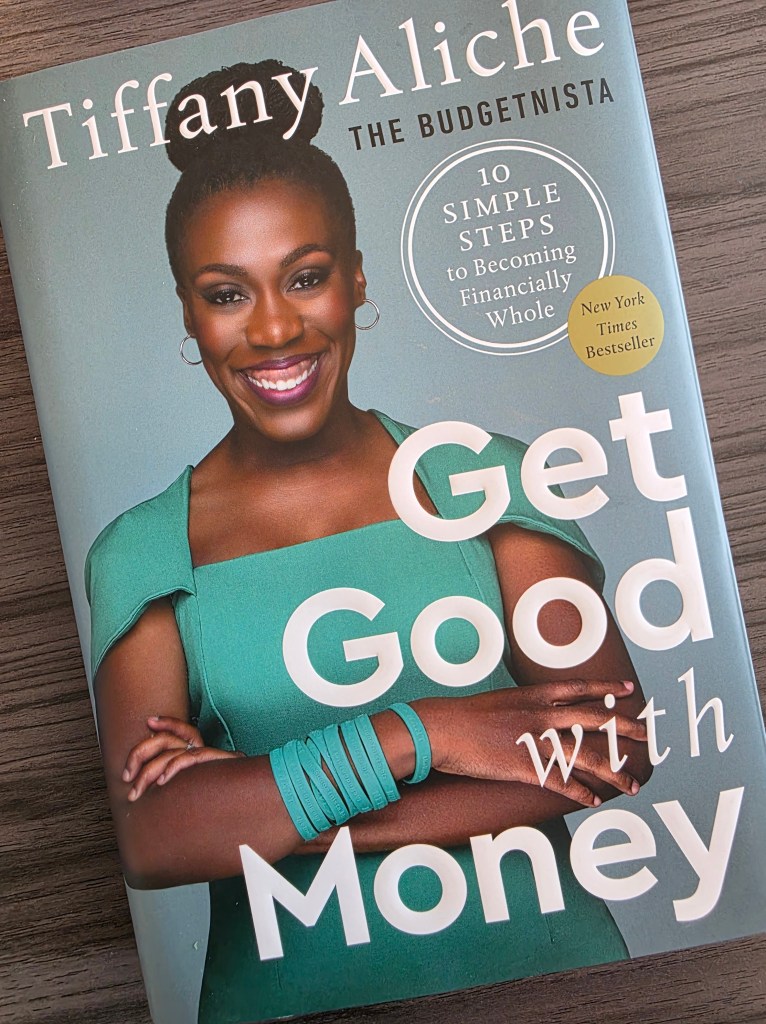
Get it here: https://amzlink.to/az0ZfFJGFMzPc





Leave a Reply